

You turn on the faucet, fill a glass with water, and it looks perfectly clear. But have you ever wondered what’s actually in your well water?
If your home relies on a private well, you’re responsible for your water quality. Unlike municipal water, private wells aren’t regularly monitored or treated by a public utility. Most well water in Connecticut is perfectly safe, but minerals and naturally occurring contaminants can still affect your water, your plumbing, and even the lifespan of your appliances.
The good news is that most water issues are easy to address once you know what’s in your water. That’s why many Connecticut homeowners choose professional testing before investing in water treatment systems.
Why Connecticut Well Water Is Different
Connecticut’s landscape plays a big role in the quality of well water. The state’s rocky bedrock, mineral-rich soils, and changing groundwater conditions mean every well is unique. Two neighboring homes can have completely different water quality, even if they’re only a few hundred feet apart.
Weather also has an impact. Heavy rain, seasonal groundwater changes, and aging wells can all affect what’s flowing from your tap.
Since private wells aren’t routinely tested by the state, homeowners are responsible for keeping an eye on water quality. If you’ve ever wondered, “Do I need a water treatment system?”, the first step is learning exactly what’s in your water.
Common Well Water Problems in Connecticut
Many water quality issues aren’t dangerous, but they can create frustrating problems throughout your home.
Hard Water
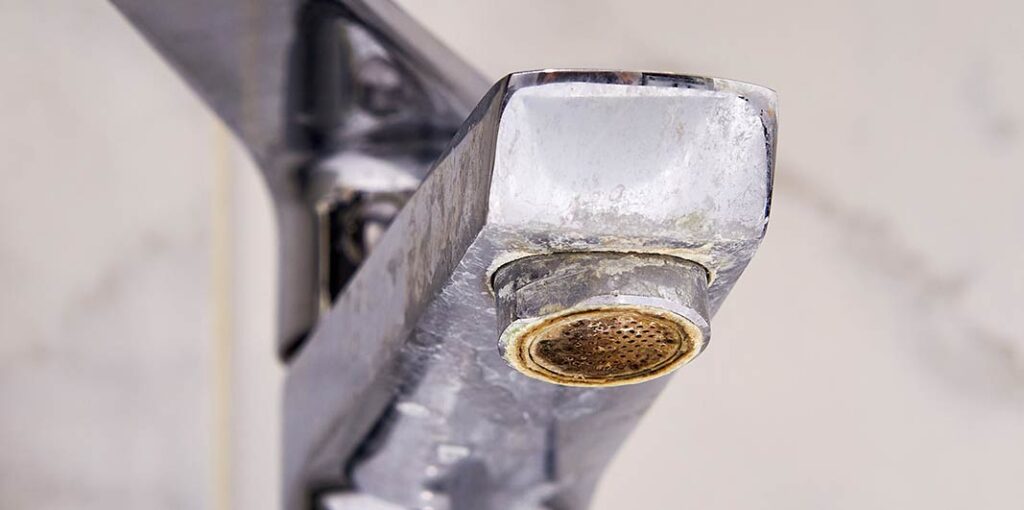
Hard water is one of the most common reasons homeowners install water treatment systems in Connecticut. It contains higher levels of calcium and magnesium, which leave mineral deposits behind over time.
You might notice:
- White buildup on faucets and showerheads
- Spots on dishes and glassware
- Soap that doesn’t lather well
- Dry skin after showering
Hard water can also shorten the life of water heaters, washing machines, and other plumbing fixtures by allowing scale to build inside them.
Iron
Iron occurs naturally in many Connecticut wells. While it usually isn’t harmful, it can be a nuisance.
Common signs include:
- Orange or reddish stains in sinks and tubs
- Rust-colored laundry
- Metallic-tasting water
Manganese
Manganese often appears alongside iron. Instead of orange stains, it leaves black or dark brown marks on fixtures, toilets, and sinks. It can also affect the taste of your water.
Sulfur
If your water smells like rotten eggs, hydrogen sulfide gas is often the cause. Some homeowners notice the smell only when running hot water because the water heater can make the odor more noticeable.
Although the smell is unpleasant, it’s usually treatable with the right filtration system.
Sediment
Sand, silt, and other particles sometimes enter well systems, especially after storms or changes in groundwater.
Signs include:
- Cloudy water
- Lower water pressure
- Faucet aerators that clog frequently
Sediment can also wear down plumbing fixtures and appliances over time.
Bacteria
Unlike many other water problems, bacteria can’t usually be seen, smelled, or tasted. Surface water entering the well or problems with the well casing can introduce bacteria into your water supply.
Annual water testing is one of the best ways to catch bacterial contamination before it becomes a bigger issue.
Water Quality Affects More Than Drinking Water
Most people think about water quality when they’re filling a glass or making coffee. What often gets overlooked is how untreated water affects nearly every plumbing system in the house.
Mineral buildup forces water heaters to work harder. Dishwashers and washing machines can develop scale inside their components. Pipes gradually collect deposits that restrict water flow, while well pumps and plumbing fixtures experience more wear than they should.
Poor water quality may also increase energy costs because appliances have to work longer to do the same job.
Investing in the right well water treatment in CT isn’t just about cleaner water. It also helps protect the systems you depend on every day.
How Do You Know What’s in Your Water?
The truth is, you can’t judge water quality by appearance alone.
Clear water isn’t always clean, and water with a slight odor doesn’t always point to a serious problem. Taste, color, and smell can provide clues, but they don’t tell the whole story.
Professional water testing removes the guesswork. A complete test identifies exactly what’s present in your water so you can choose the right solution instead of treating a problem that doesn’t exist.
Because every well is different, testing is the foundation of effective water filtration for well water.
Common Water Treatment Solutions
There’s no single system that’s right for every home. The best solution depends on what your water test reveals.
Some of the most common options include:
- Water softeners for hard water
- Iron filters for iron staining and metallic taste
- Oxidizing filters for sulfur odors
- Sediment filters for sand and silt
- UV purification systems for bacteria
- Whole-home treatment systems that address multiple water concerns
The goal isn’t to install the biggest or most expensive system. It’s to match the treatment to your home’s specific water conditions.
Frequently Asked Questions
Is Connecticut well water safe to drink?
Many private wells provide safe drinking water, but the only way to know for sure is through testing. Water quality varies from one property to another and can change over time.
How often should I test my well water?
Most experts recommend testing private well water every year, especially for bacteria and other common contaminants. You should also test after major storms, flooding, or changes in your water’s taste, smell, or appearance.
Can hard water damage my plumbing?
Yes. Hard water leaves mineral deposits inside pipes, water heaters, and appliances. Over time, that buildup can reduce efficiency and increase wear on your plumbing system.
What’s the difference between filtration and water softening?
Water softeners remove minerals that cause hard water. Filtration systems target other concerns, such as iron, sediment, sulfur, or bacteria. Many homes benefit from using both.
Know What’s in Your Water
Every Connecticut well is different, which means every home has different water treatment needs.
If you’ve noticed mineral buildup, strange odors, staining, cloudy water, or you’re simply curious about your water quality, now is a great time to learn how to protect your home’s water, plumbing, and appliances.
Schedule an appointment with Griswold Plumbing today.