

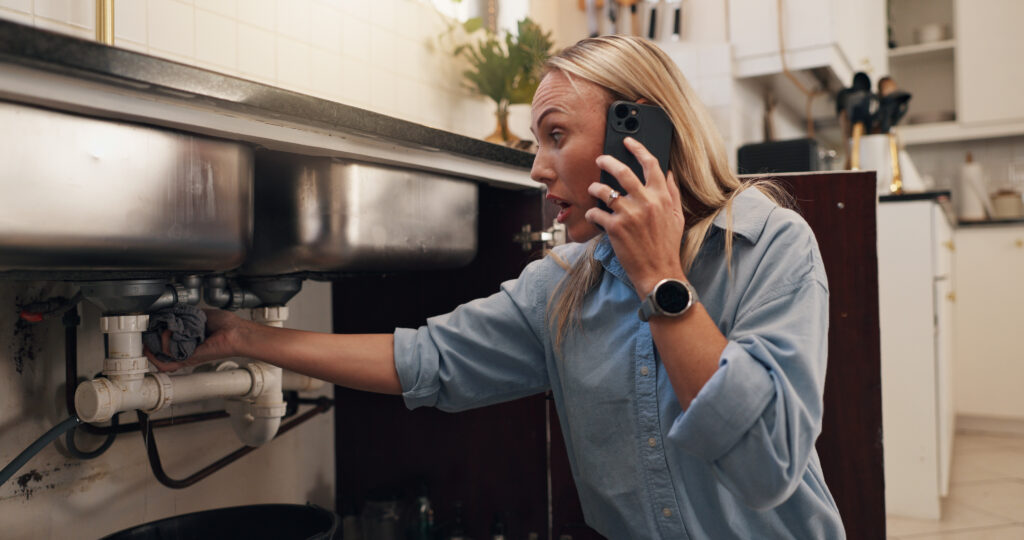
Winter in Connecticut can be tough on your home’s plumbing system. Freezing temperatures, shifting pipes, and heavy usage often leave behind hidden damage that doesn’t become obvious until spring.
The good news? A simple inspection now can help you catch small issues before they turn into costly repairs.
Here’s a practical spring plumbing checklist to help protect your home.
1. Check for Hidden Leaks
Even a minor pipe crack from winter freezing can lead to slow leaks.
Look for:
- Damp spots on walls or ceilings
- Musty odors in basements or cabinets
- Unexplained increases in your water bill
Small leaks can waste gallons of water over time—and cause serious damage if ignored.
2. Inspect Faucets & Fixtures
Winter wear and tear often shows up in everyday fixtures.
Turn on all faucets and check for:
- Dripping or constant running
- Reduced water pressure
- Strange noises when turning handles
If something feels “off,” it’s worth having it checked before it worsens.
3. Test Outdoor Faucets & Hose Bibs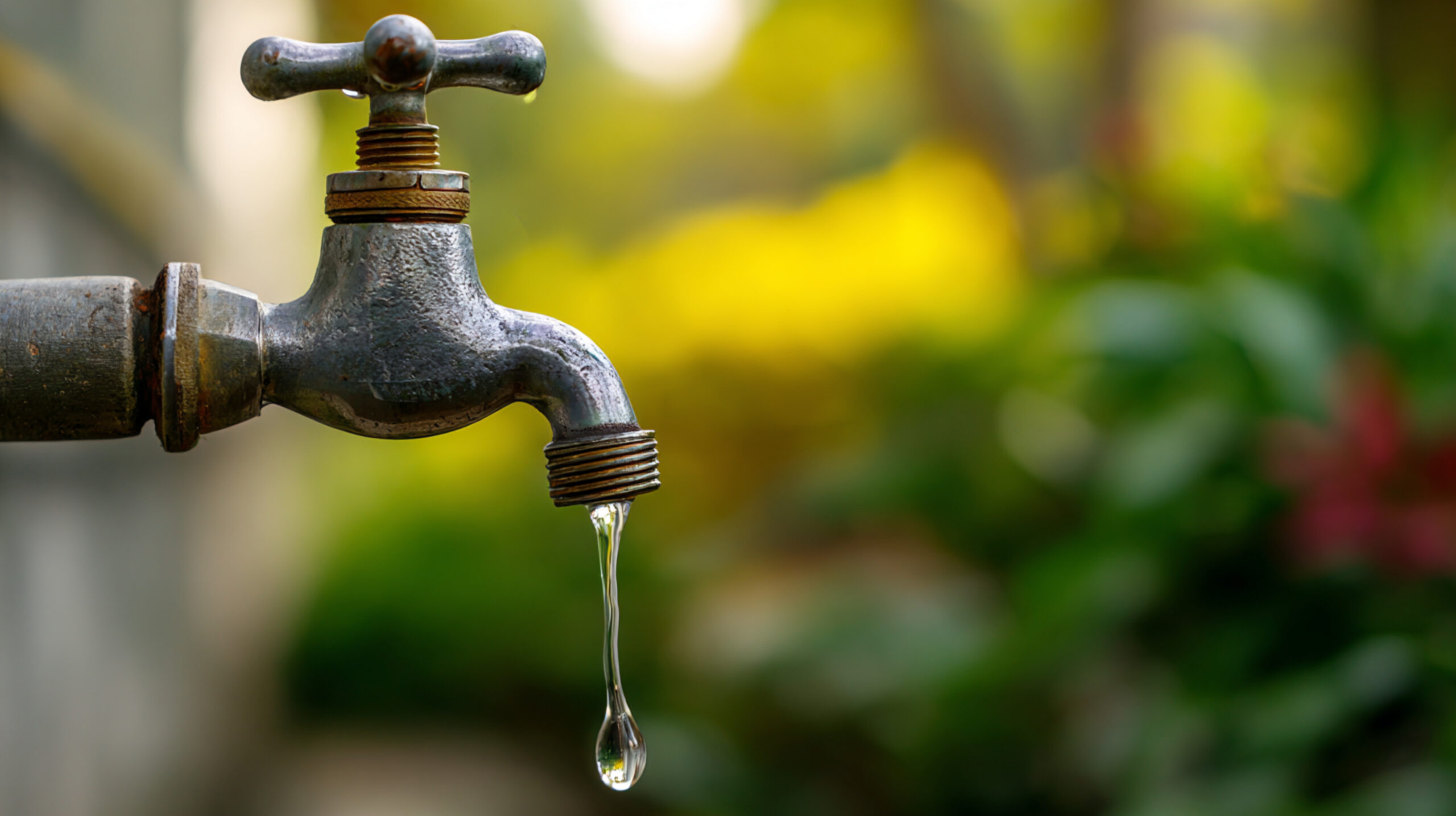
Outdoor plumbing is especially vulnerable to freezing temperatures.
What to do:
- Turn on your outdoor spigots
- Watch for leaks or weak flow
- Check for water inside your home near the connection point
If water leaks inside when the faucet is on, you may have a cracked pipe behind the wall.
4. Flush and Inspect Your Water Heater
Your water heater works overtime during winter—and spring is the perfect time to give it attention.
Consider:
- Flushing sediment buildup
- Checking for rust or corrosion
- Listening for unusual noises
Routine maintenance can extend the life of your system and improve efficiency.
5. Check Your Well System
Many Connecticut homes rely on well water, and seasonal changes can impact system performance.
Watch for:
- Changes in water pressure
- Air sputtering from faucets
- Unusual tastes or discoloration
If you notice any of these signs, your well pump or system may need service.
6. Look Under Sinks & Around Appliances
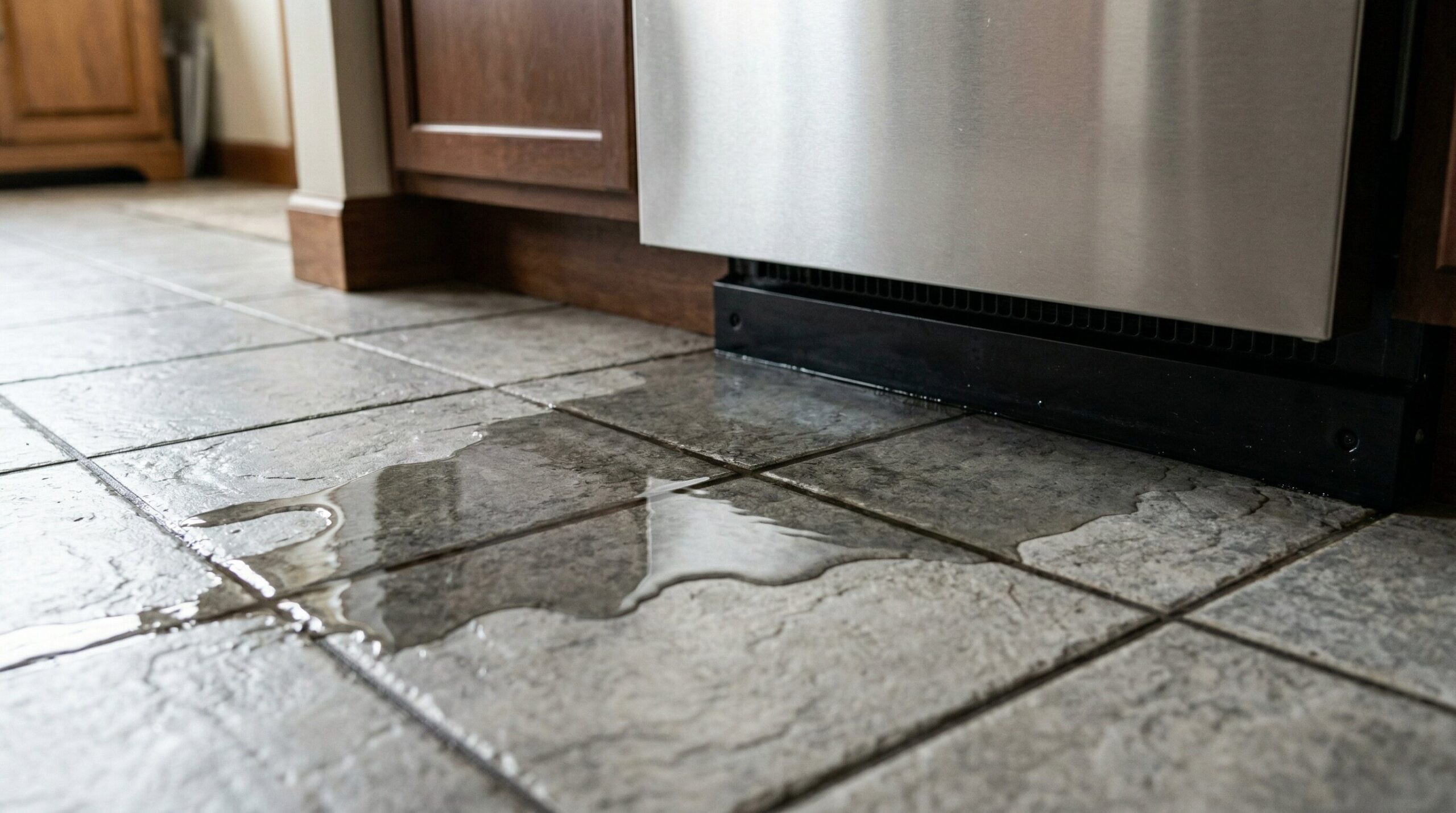
Leaks often hide in places you don’t check daily.
Take a few minutes to inspect:
- Under kitchen and bathroom sinks
- Around your dishwasher and washing machine
- Basement piping
Catching a slow leak early can prevent mold, water damage, and expensive repairs.
7. Know When to Call a Professional
Some issues are easy to spot—but not always easy to fix.
If you notice:
- Persistent leaks
- Sudden drops in water pressure
- Signs of pipe damage
- Concerns with your well or water heater
It’s best to have a professional take a closer look.
Protect Your Home This Spring
Griswold Plumbing Services is here to help.
Schedule your spring plumbing inspection today and make sure your system is ready for the season ahead.
Call us at (860) 864-5001 or request an appointment online.
Up Next:
Is your sump pump ready for spring rain? Stay tuned for next month’s guide on preventing basement flooding in Connecticut homes.